Names on the Door, Roles in the Room: A Field Guide to Your Care Team
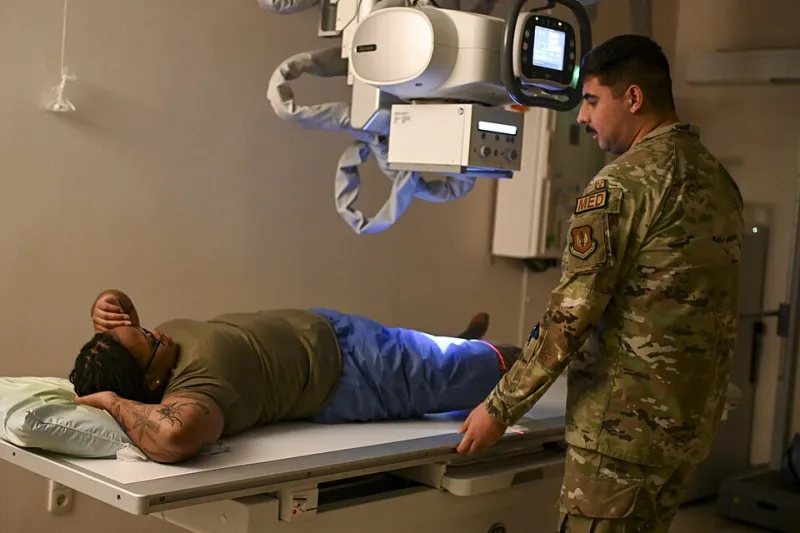
Photo: U.S. Air Force photo by Senior Airman Haiden Morris, Public domain, via Wikimedia Commons
A clinic visit can feel like a relay race in which no one has explained the order of runners. You check in with one person, are roomed by another, see a clinician, and later receive a call from someone whose name you did not catch. Each person may have a different role, and each may be able to answer only part of your question.
Understanding those roles is not trivia. It saves time, reduces frustration, and helps you direct sensitive or urgent questions to the right place. The titles below are general descriptions; exact duties vary by state, clinic size, and practice setting.
Physicians
Physicians hold an MD or DO degree and are licensed to diagnose conditions, order and interpret tests, prescribe treatment, and perform procedures within their specialty. In a primary care office, the physician often oversees complex cases and may supervise other clinicians. Ask a physician about uncertain diagnoses, treatment plans that involve significant risks, or questions that require a broad view of your overall health. In some clinics, you may see a physician only for certain visits while another clinician handles routine care.
Nurse practitioners and physician assistants
Nurse practitioners and physician assistants are advanced practice clinicians who often provide primary and specialty care. Their training paths differ, and their scope of practice is set by state law and clinic policy. In many settings they diagnose common conditions, prescribe medication, order tests, and manage ongoing care. Do not assume that seeing one means you are receiving lesser care. If you are unsure whether a particular decision requires physician review, ask directly: Will the physician also review this plan?
Registered nurses and practical nurses
Registered nurses and licensed practical or vocational nurses often handle triage, patient education, medication administration, wound care, and coordination between departments. A nurse may be the person who calls you with test instructions or checks your symptoms before a visit. For questions about how to prepare for a test, how to take a prescribed medication, or whether a symptom needs attention, the nursing line is often the right first call. If symptoms are severe or urgent, do not rely on a routine nurse line; seek emergency care.
Medical assistants
Medical assistants commonly room patients, record vital signs, update medication lists, draw blood in some offices, and help with scheduling and records. They are essential to the visit but generally are not the right person for clinical advice about diagnosis or treatment. If you have a medical question and are speaking with a medical assistant, ask to be routed to a nurse or clinician.
Pharmacists
Pharmacists are medication experts. They can review interactions between prescriptions, over-the-counter products, and supplements; explain side effects; help with refills and prior authorizations; and advise on how to take a medication safely. Some clinics have clinical pharmacists who work directly with your care team on complex regimens. If your question begins with Can I take this with that? a pharmacist is often the best starting point.
Care coordinators and patient navigators
Care coordinators help with referrals, appointment scheduling across departments, insurance questions, transportation resources, and paperwork. A patient navigator may help guide you through a complex treatment pathway, such as cancer care or surgery. These roles are especially useful when you are trying to find out whether a referral was received, what documents are missing, or what to expect next. They usually do not provide clinical advice, but they can connect you to the person who does.
Front-desk and billing staff
Front-desk staff manage registration, scheduling, insurance verification, and check-in. Billing staff handle statements, payment plans, and coverage questions. They are not trained to give medical advice. If you describe a symptom at the front desk, the appropriate response is usually to route you to a nurse or clinician. For billing questions, ask for the billing department rather than the scheduling line.
Other team members you may meet
Depending on your needs, you may also see physical therapists, dietitians, social workers, behavioral health clinicians, laboratory technologists, and radiologic technologists. Each has a defined scope of practice. A physical therapist can answer questions about rehabilitation exercises; a dietitian can help with medical nutrition therapy; a social worker can help with community resources and practical barriers to care.
How to ask for the right person
Begin with a one-sentence description of your need: I have a question about a medication side effect, and I am not sure who handles that. Or: I need to know whether my referral was received. The person answering can route you. Use patient-portal message categories when they exist, and keep urgent symptoms out of the portal; call the clinic or seek emergency care instead.
When you leave a message, include your full name, date of birth, callback number, the clinician you are trying to reach, and a concise question. If you are calling about a medication, have the bottle or pharmacy information nearby. If you are unsure whether a question is clinical or administrative, say so; the front desk can transfer you.
Clarify handoffs
Before you leave a visit, ask who will call with results and when you should expect to hear. If a plan involves several people, ask who is responsible for the next step. Repeat back what you understood: So the nurse will call me about the lab results, and the care coordinator will schedule the scan. A brief clarification at the desk can prevent a week of uncertainty later.
A care team works best when patients know who does what. You do not need to memorize every title. You only need to know how to ask, and whom to ask first.