The Health History You Inherit: Turning Family Lore Into a Clinical Tool
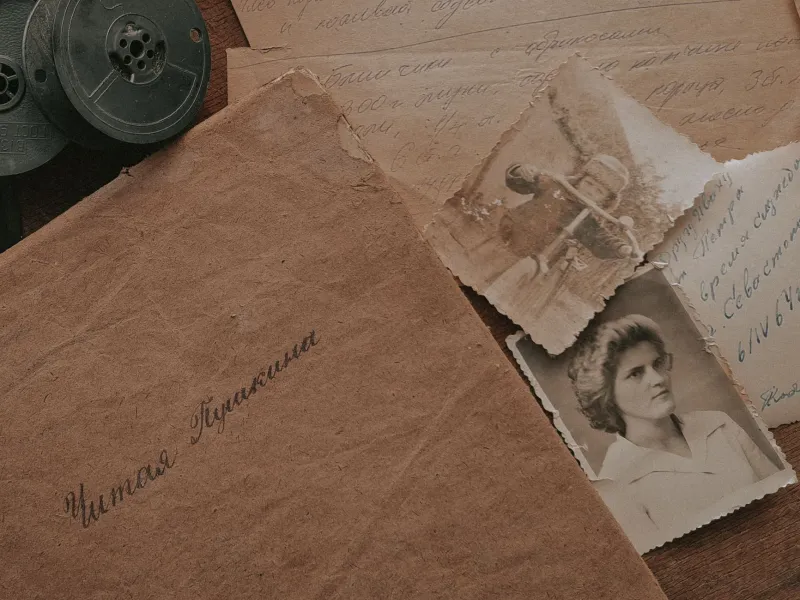
Family health history often arrives in fragments. An aunt had female problems. A grandfather died young of a heart attack. Someone mentions that cancer runs on one side of the family, but no one knows which kind or at what age. These stories matter, but they are difficult for a clinician to interpret without structure.
A well-organized family health history is not a genealogy project. It is a living clinical document, one that can help your care team notice patterns, consider earlier screening, or decide whether genetic counseling is worth discussing. It is also a document you can improve over time.
Why vague family history is hard to use
Cancer runs in my family is a starting point, not a clinical finding. A clinician needs to know which relative, what type of cancer, and how old that person was when diagnosed. Early-onset disease in a close relative may carry more weight than a diagnosis at age 80 in a distant cousin. The same is true for heart disease, diabetes, and some inherited conditions.
Patterns can matter: multiple relatives with the same cancer, diagnoses at unusually young ages, male breast cancer, ovarian cancer, colorectal cancer in several generations, or sudden cardiac death in a young person. You are not expected to diagnose yourself from a family tree. The point is to give your clinician enough detail to recognize when further evaluation may be appropriate.
Start with a simple grid
You do not need special software. A spreadsheet or a paper table with a few columns is enough. Include the relative's relationship to you, which side of the family they are on, known medical conditions, age at diagnosis, and age at death or current age. Add a column for the source of the information: medical record, death certificate, direct conversation, or family memory.
Include parents, siblings, children, grandparents, aunts, uncles, and first cousins when possible. Cover both sides of the family. If a relative had a stillbirth or a child who died young, note it if the family is willing to share that information; sometimes it is clinically relevant. Do not feel obligated to fill every cell. A partial record with honest gaps is more useful than a complete-looking record built on guesswork.
Separate confirmed diagnoses from family lore
One of the most helpful habits is to label information by reliability. Confirmed means you have seen a medical record, death certificate, or clear statement from the person who had the diagnosis. Reported means a relative told you, but you have not verified it. Uncertain means the family story is vague or contradictory.
Use those labels in your document. If a relative says a grandmother had stomach cancer, ask whether a doctor made that diagnosis and how old she was. If no one knows, write reported stomach cancer, age unknown rather than inventing details. Clinicians are used to uncertainty; they can work with it. What they cannot work with is a false sense of precision.
How to gather information without turning dinner into an interrogation
Family gatherings can be useful, but questions about illness and death can be sensitive. Ask one relative at a time, preferably in a private conversation or phone call. Start with open questions: Do you remember any health conditions that seemed to run in Mom's family? or Was there anyone who died young, and do you know why?
Offer to share your draft and ask others to correct it. For deceased relatives, death certificates, obituaries, and family records can fill gaps. State vital records offices can provide copies of death certificates for a fee, and some family history records may be available through personal files or genealogical services. Do not pressure anyone to disclose information they consider private. For living relatives, explain that you are building a document for your own medical care.
What to include
Include major chronic conditions such as heart disease, stroke, diabetes, and high blood pressure. Include all cancer diagnoses with the type and age at diagnosis. Note inherited conditions, autoimmune diseases, bleeding disorders, mental health conditions if the family is willing to share them, and pregnancy complications if relevant. Sudden cardiac death in a young relative is especially important to mention.
Lifestyle context can be useful but should not obscure the medical facts. Father had a heart attack at 48 is the key detail; whether he smoked is secondary. Avoid writing speculative causes of death unless a clinician or official record supports them.
Make a one-page summary for visits
Your full grid can stay at home. For appointments, create a short summary titled Family Health History Summary with the date. Use bullet points for the most relevant findings: Mother: breast cancer at 42. Maternal aunt: breast cancer at 46. Maternal grandfather: heart attack at 55. Then add a line for uncertainties and a line for what you want to discuss, such as whether earlier screening or genetic counseling is appropriate.
Bring the summary to preventive visits and upload it to your patient portal if the option exists. Ask your clinician whether any pattern warrants a referral. Update the document when a relative receives a new diagnosis, and review it at least once a year. A living document is more useful than a perfect one written once and forgotten.
Family history is not destiny. It is a conversation starter, a set of clues, and a practical tool for making preventive care more personal. The more clearly you can present it, the more useful it becomes.