The Person Who Books Every Appointment but Their Own

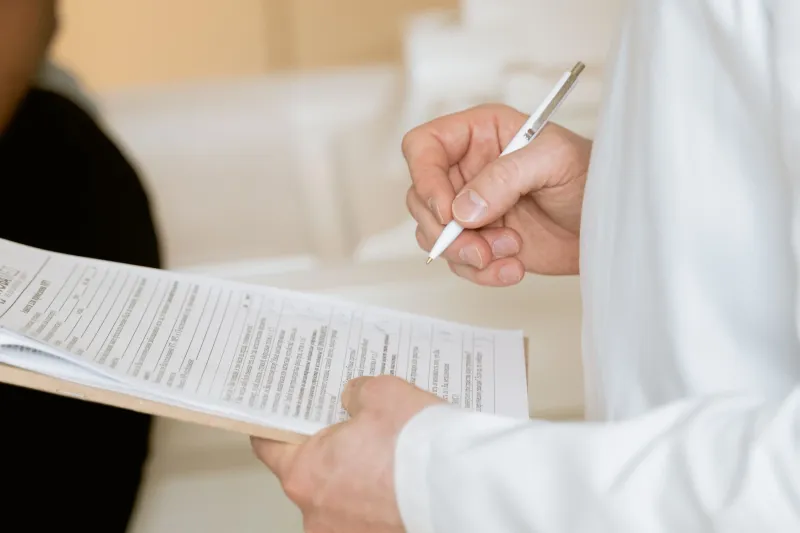
Photo: Shixart1985, CC BY 2.0, via Wikimedia Commons
Here is a pattern we see at Ricci Clinic with striking regularity: a patient who has managed every detail of a spouse's cardiac care—referrals, medication refills, insurance appeals, follow-up imaging—hasn't had their own physical in four years. They know the cardiologist's scheduling system by heart. They cannot remember their own last blood draw.
This is not a small oversight. It is one of the most common forms of self-neglect in American life, and it deserves to be named honestly.
The Math of Caregiving
According to AARP, more than one in five adults in the United States is a family caregiver. The average caregiver spends over 20 hours a week on care tasks—many while working a full-time job. The population skews toward people in their 40s through 60s, precisely the years when their own risk of hypertension, diabetes, and depression begins climbing.
The result is a cruel irony: people managing someone else's chronic illness are often developing their own, unnoticed.
Why Caregivers Don't Go
The psychology here is not mysterious, but it is worth examining, because each excuse carries a hidden cost.
"There's no time." Caregiving consumes schedule margin, and an appointment for yourself feels like an hour stolen from someone who needs it more. But caregiver health is not a luxury bolted onto the care plan—it is the care plan. A caregiver who collapses has no backup. Studies consistently show elevated rates of depression, weakened immune function, and cardiovascular strain among long-term caregivers. Your health is infrastructure. Infrastructure must be maintained.
"I'm not the sick one." Caregivers live in a household organized around one patient's needs, and identity follows attention. But being the well one is not the same as being well. Fatigue, weight changes, persistent sadness, and untreated pain are not badges of devotion; they're signals.
"It feels selfish." Many caregivers, particularly women, have internalized the idea that their own medical needs are indulgences. Reframe it: you would never tell another caregiver to skip their mammogram. You would tell them to book it. The advice applies to you.
A Realistic Self-Care Checklist
Forget the wellness-industry version of self-care. For someone with no time, here is the minimum viable checklist:
- Book your annual physical this week. Do it while you're already on the phone scheduling someone else's appointment. Habit-stacking works.
- Know your own numbers. Blood pressure, cholesterol, A1C, and a depression screening take minutes and catch problems years early.
- Protect sleep as a medical issue. Chronic sleep deprivation is a health condition, not a personality. If you're routinely getting under six hours because of caregiving duties, tell your doctor—there are resources, from respite care to home health support.
- Accept help where it exists. Area Agencies on Aging, the Family Caregiver Alliance, and local senior centers offer respite programs. Using them is not failure; it's logistics.
- Put your own appointments on the same calendar as theirs. If it isn't scheduled, it isn't real.
A Different Kind of Advocacy
Caregivers are, by necessity, fierce advocates. They ask the hard questions, push for second opinions, and refuse to be dismissed. Our suggestion is simple: turn that advocacy inward for one hour a year.
The person holding everything together deserves the same standard of care they insist on for everyone else. At Ricci Clinic, we consider the caregiver's checkup among the most consequential preventive visits we offer—because the health of a household often depends on the health of the one person who never books their own appointment.