What's Lurking in Your Medicine Cabinet: The Quiet Dangers of Expired, Forgotten, and Stockpiled Medications
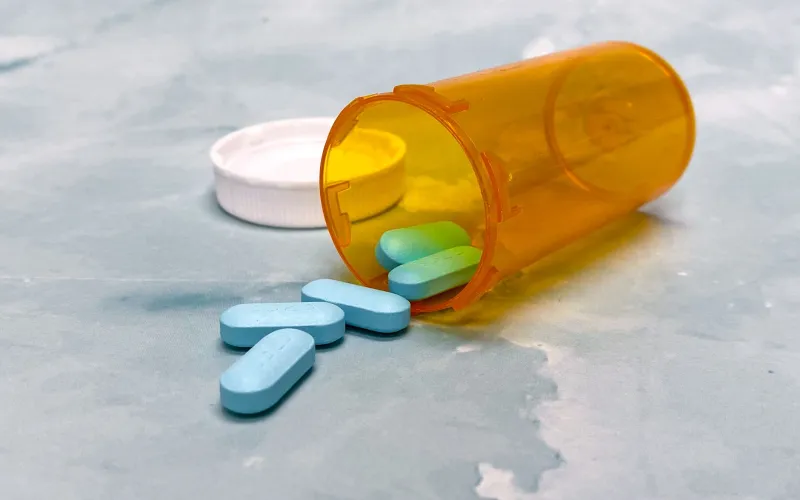
Open almost any medicine cabinet in the United States and you are likely to find the same thing: a half-finished bottle of antibiotics from two winters ago, a prescription painkiller from a procedure long since healed, and an assortment of over-the-counter remedies whose expiration dates have quietly passed. This accumulation is so common that it barely registers as a concern. Yet the medications gathering dust in your home may be doing more than simply taking up space. They may be actively undermining your health.
At Ricci Clinic, we encourage our patients to think of medication management as an ongoing responsibility—not a one-time task that ends when the prescription is filled. Understanding what you have, what condition it was meant to treat, and whether it is still appropriate for your current health status is a fundamental part of safe, effective care.
Why Medications Accumulate in the First Place
The reasons people hold onto unused medications are varied and, in many cases, understandable. Some patients stop a course of treatment early because they feel better, intending to finish the remainder if symptoms return. Others receive a larger supply than they ultimately need and see no reason to discard what remains. Still others stockpile medications out of financial anxiety, particularly when prescriptions are costly—saving leftover doses as a buffer against future need.
There is also a psychological dimension to this behavior. Medications often represent a sense of security. Keeping them on hand feels prudent, even responsible. The problem is that this logic does not account for how dramatically a person's health profile can change over time. A medication that was appropriate and safe two years ago may be entirely unsuitable today, particularly if you have been diagnosed with a new condition, started additional prescriptions, or experienced changes in kidney or liver function.
The Real Risks of Expired Medications
Expiration dates on prescription and over-the-counter drugs are not arbitrary marketing choices. They represent the manufacturer's guarantee that the product contains its labeled potency and remains chemically stable through that date. Once that date has passed, all bets are off.
For some medications, expiration is a matter of reduced effectiveness. An antihistamine that has degraded may simply fail to relieve your allergy symptoms adequately. For others, the stakes are considerably higher. Certain antibiotics, for instance, can undergo chemical changes over time that make them not merely ineffective but potentially harmful. Liquid medications and eye drops are especially susceptible to contamination and degradation once opened.
Perhaps more concerning is the risk of misuse. When patients reach for an old prescription to address a new symptom—without consulting a physician—they may be treating the wrong condition entirely, masking symptoms that warrant professional evaluation, or inadvertently combining drugs in ways that produce dangerous interactions.
The Interaction Problem No One Talks About
Polypharmacy—the concurrent use of multiple medications—is one of the most significant safety challenges in modern healthcare, particularly among older adults. According to research published by the Centers for Disease Control and Prevention, adverse drug events account for nearly one million emergency department visits each year in the United States.
When patients self-administer leftover prescriptions alongside their current regimen, they introduce variables that their healthcare provider cannot account for. Even medications that were once prescribed by the same physician may no longer be safe together if the patient's health status has changed. Supplements and herbal remedies stored in the same cabinet add another layer of complexity—interactions between these products and prescription drugs are frequently underestimated by patients and, in some cases, underreported to providers.
This is precisely why a comprehensive, current medication list shared with your care team at every visit is not a bureaucratic formality. It is a safety measure.
How to Conduct a Medication Audit
A medication audit is a systematic review of every drug, supplement, and over-the-counter product in your possession. It sounds straightforward, but most patients are surprised by what they find when they actually gather everything together.
Begin by collecting all medications from every location in your home—medicine cabinets, kitchen drawers, purses, nightstands, and any other storage areas. Organize them by type and check the expiration date on each. Set aside anything that has expired, anything you cannot identify, and anything prescribed for a condition you no longer have.
Next, and most importantly, schedule a brown bag review with your pharmacist or primary care provider. This involves bringing your medications—literally, in a bag—to your appointment so that a qualified professional can assess the full picture. Your pharmacist is specifically trained to identify dangerous drug interactions, flag duplications, and help you understand which medications remain appropriate for your current health needs. This service is often available at no additional cost and is one of the most underutilized resources in outpatient healthcare.
During this review, ask the following questions:
- Is this medication still appropriate for my current diagnosis?
- Does this interact with anything else I am currently taking?
- Am I storing this correctly?
- Is there a more current or effective alternative available?
Proper Disposal: More Than a Courtesy
Discarding medications appropriately is both a personal health matter and a public safety concern. Flushing drugs down the toilet or rinsing them into the sink introduces pharmaceutical compounds into the water supply—a documented environmental issue that affects aquatic ecosystems and, in trace amounts, drinking water in some municipalities.
The preferred disposal method in the United States is through an authorized drug take-back program. The Drug Enforcement Administration (DEA) coordinates National Prescription Drug Take Back Day events twice yearly, and many local pharmacies and law enforcement agencies maintain permanent collection sites. The DEA's online locator tool can help you find a drop-off point near you.
For medications that cannot be taken to a collection site, the FDA recommends mixing them with an undesirable substance such as coffee grounds or dirt, sealing the mixture in a container, and placing it in household trash. A small number of medications—primarily certain opioids and other controlled substances—carry specific disposal instructions due to their high risk of misuse if obtained by others.
Storage Conditions Matter More Than You Think
Even medications that have not yet expired can lose their effectiveness if stored improperly. The bathroom medicine cabinet, despite its name, is one of the worst places to keep medications. Heat, humidity, and light accelerate chemical degradation. A cool, dry location away from direct sunlight—such as a bedroom dresser drawer or a dedicated shelf in a linen closet—is far preferable.
Refrigerated medications should be stored according to the label's instructions and never frozen unless specifically directed. Insulin, certain liquid antibiotics, and some eye drops require consistent refrigeration to remain safe and effective.
A Conversation Worth Having
Medication management is one of the more practical conversations a patient can have with their healthcare provider, yet it is often overlooked in favor of more pressing concerns during a short appointment. We encourage Ricci Clinic patients to raise this topic proactively—bring your medications in, ask questions, and request a formal review if it has been more than a year since your regimen was last evaluated.
Your health is not static, and neither should your medication routine be. Taking the time to understand what is in your cabinet, what belongs there, and what needs to go is a meaningful step toward the kind of informed, engaged self-care that supports long-term wellbeing.